
This last week my best non-human buddy, a mostly beagle and terrier mix with a dash of dachshund of dubious parentage, “Copper” managed to get hurt out at the ranch. The Vet isn’t sure if he got kicked by horse, tried to jump on something and fell, or just managed to harm himself in one of another million ways. We tried asking the Vet and Copper, but so far no definite answers are forthcoming from either.
My sister found him as a puppy trying really hard to avoid being run over along an interstate, and brought the mess of a canine that would come to be known as “Copper” to Dawn and me to “watch him for a few days.” As all of you realized before I did, that dog was never leaving our house. He has now been a loyal family member while I was in Iraq, and through our move to Idaho and back, and has been a very good companion. Well, other than getting in the trash on occasion and that one time he snagged two perfect lamb chops off the counter in a caper worthy of Mission Impossible.
He is not a guard dog; in fact, for a treat he would probably help carry out the TV. While I had high hopes he would make a good rabbit and squirrel dog, I think he made a deal with the little critters, “Look guys, if you stay hidden for a couple of hours, I will bark like crazy every so often to make it look good. Then he and I will go home where I will get a treat, he’ll take a nap, and you guys won’t get shot. I don’t think he can hit the broad side of a barn, but let’s not take a chance. Do we have a deal?”
He gets his spot on the bed at night and Dawn and I get what’s left over, but if your heart is heavy or you are sick he is right there next to you till you feel better. He is always good for a laugh, and when he does something bad he can look so sad and pitiful, it’s hard to get mad at him. Copper definitely lives by the great American humorist Josh Billings’ sentiment, “A dog is the only thing on earth that loves you more than he loves himself.” This alone made the 300-dollar vet bill a non-decision even though we still don’t know what is wrong with him.
I wouldn’t think of trading Copper for any pure bred dog, no matter how high dollar. Please consider carefully whether you have room in your life for a pet, then make sure you have your pet spayed or neutered. Try adopting your next pet from the local animal shelter; they always have animals in need of adoption. “If you pick up a starving dog and make him prosperous, he will not bite you. This is the principal difference between a dog and a man.”- Mark Twain
Thursday, October 2, 2008


A Taste of Your Hometown
As many of you may know, my family and I have moved back to Texas to be near family while I finish my education. Our moving led to Dawn and me walking through a small family owned business that has made hats here in Texas for eighty years. They have made hats for most of the cowboy and western movies many of us enjoyed as kids and continue to make hats with handmade craftsmanship.
Our little excursion precipitated a conversation between my lovely bride and me about how often most folks, us included, tend to neglect to visit those local treasures within a short drive of our homes, often for years. While in our case the treasured place was a family owned business, I am certainly thinking of local state parks and historical sites as well. So this week I wanted to list a few places we enjoyed while we lived in Coeur d’ Alene and encourage you all to visit them or see them again with new eyes if you have been before.
Old Mission State Park is the site of The Mission of the Sacred Heart, which in addition to begin very beautiful, is the oldest standing building in Idaho. The park has exhibits highlighting the role of the Mission in the lives of the Coeur d’ Alene tribe. The park is open from 9 am – 5 pm year round.
Downtown in CDA is the Fort Sherman Museum on the North Idaho College campus. This museum holds artifacts from both soldiers and Indians from the 1800s, and is open from 1 pm to 4:45 pm from 1 May to 30 September. The museum has a store and nearby is the Ft. Sherman Chapel.
Post Falls is home to both the Treaty Park Historic Site and Falls Park. With several picnic areas, paved trails and handicapped accessible, these parks are both beautiful and historically important to the entire North Idaho area. There are also areas to have family or class reunions that can be reserved by contacting the Parks reservation office at 208-773-0539.
In Wallace, you can find both the Sierra Silver Mine and the Oasis Bordello Museum (the only other Museum dedicated to a brothel I have come across was in Fayetteville, Arkansas). However, a quick search on the internet proved several states have such museums, so I guess I have lived a sheltered life. The mine and the museum have something of an intertwined history in that the mining industry and the lack of women in North Idaho at the time saw the birth of the brothel. Although, it was interesting to find the world’s oldest profession managed to operate openly until 1988. While it is suggested you bring a light jacket to the mine, the museum requires no such preparation.
Last on my list for this week is the geyser in Soda Springs. This geyser is notable because the water combines with the carbon dioxide gas in an underground chamber and is released every hour on the hour.
I hope you will take your families to these Idaho treasures, the sites themselves are great, but the memories you will create together will be the lasting treasure. As for me, I think I am going to buy a hat like my favorite western hero!
Our little excursion precipitated a conversation between my lovely bride and me about how often most folks, us included, tend to neglect to visit those local treasures within a short drive of our homes, often for years. While in our case the treasured place was a family owned business, I am certainly thinking of local state parks and historical sites as well. So this week I wanted to list a few places we enjoyed while we lived in Coeur d’ Alene and encourage you all to visit them or see them again with new eyes if you have been before.
Old Mission State Park is the site of The Mission of the Sacred Heart, which in addition to begin very beautiful, is the oldest standing building in Idaho. The park has exhibits highlighting the role of the Mission in the lives of the Coeur d’ Alene tribe. The park is open from 9 am – 5 pm year round.
Downtown in CDA is the Fort Sherman Museum on the North Idaho College campus. This museum holds artifacts from both soldiers and Indians from the 1800s, and is open from 1 pm to 4:45 pm from 1 May to 30 September. The museum has a store and nearby is the Ft. Sherman Chapel.
Post Falls is home to both the Treaty Park Historic Site and Falls Park. With several picnic areas, paved trails and handicapped accessible, these parks are both beautiful and historically important to the entire North Idaho area. There are also areas to have family or class reunions that can be reserved by contacting the Parks reservation office at 208-773-0539.
In Wallace, you can find both the Sierra Silver Mine and the Oasis Bordello Museum (the only other Museum dedicated to a brothel I have come across was in Fayetteville, Arkansas). However, a quick search on the internet proved several states have such museums, so I guess I have lived a sheltered life. The mine and the museum have something of an intertwined history in that the mining industry and the lack of women in North Idaho at the time saw the birth of the brothel. Although, it was interesting to find the world’s oldest profession managed to operate openly until 1988. While it is suggested you bring a light jacket to the mine, the museum requires no such preparation.
Last on my list for this week is the geyser in Soda Springs. This geyser is notable because the water combines with the carbon dioxide gas in an underground chamber and is released every hour on the hour.
I hope you will take your families to these Idaho treasures, the sites themselves are great, but the memories you will create together will be the lasting treasure. As for me, I think I am going to buy a hat like my favorite western hero!
Do the Good
“Every man is guilty of all the good he did not do”- Voltaire
This quote came to mind the other night as a friend and I were talking about community activism. He rightly pointed out, that while there is never a shortage of people available to launch slings and arrows at those who would do their best to help our community, state, or nation move forward, there is definitely a shortage of those who will roll up their sleeves and do the hard work helping the community to become better. “What is ‘better’,” you might ask?
In my mind, “better” is anything that increases our care, compassion, and empathy for one another. “Better” is independent of political ideology, education, intelligence, or talent. “Better” is anything one can do to lighten the load for our fellow man. “Better” means working to help those who can’t help themselves such as children, the elderly, or frankly even someone who just finds themselves going through a rough spot in life. George Bernard Shaw sums up this idea, “The worst sin towards our fellow man is not to hate them but to be indifferent to them; that’s the essence of inhumanity.”
Helping others has a restorative power for us as well. Psychologists and sociologists use the word “resilience” when they wish to describe the ability of people to persevere in the wake of tragedy and challenge. Resilience and self-esteem are both increased when a person engages in selfless service. As you can see, there is a payoff for the giver of time and talent as well as for the receiver of those gifts.
If you become overwhelmed when trying to find ways to make a difference in regard to society’s problems, then I suggest you start simple. Read to a class of youngsters, talk to a classroom of kids about living through WWII or the Civil Rights Movement, volunteer to organize a “board game night” for a group of elderly citizens, or offer your construction expertise to Habitat for Humanity. “No act of kindness, no matter how small, is ever wasted.” – Aesop
Dr. Martin Luther King Jr. spoke about our interdependence, our reliance on others. "As long as there is poverty in the world I can never be rich, even if I have a billion dollars. As long as diseases are rampant and millions of people in this world cannot expect to live more than twenty-eight or thirty years, I can never be totally healthy, even if I just got a good checkup at the Mayo Clinic. I can never be what I ought to be until you are what you ought to be. This is the way our world is made. No individual or nation can stand out boasting of being independent. We are all interdependent."
At no time in history was his observation truer than now. With instant world-wide communication, and a global economy, we are all connected to each other in ways that are alternatively scary and exhilarating. While competition will move an individual forward, only collaboration will provide the ability to overcome the challenges that face us locally and globally. "The ancient human question 'Who am I?' leads inevitably to the equally important question 'Whose am I?' -- for there is no self outside of relationship." - Parker Palmer
None of us knows where tomorrow will find us, or whether it will find us at all. For this reason alone, do not put off the good you can do today in the hopes of a greater good tomorrow. Gerry Harvieux noted, “The best time to plant a tree was 20 years ago. The second best time is today.”
This quote came to mind the other night as a friend and I were talking about community activism. He rightly pointed out, that while there is never a shortage of people available to launch slings and arrows at those who would do their best to help our community, state, or nation move forward, there is definitely a shortage of those who will roll up their sleeves and do the hard work helping the community to become better. “What is ‘better’,” you might ask?
In my mind, “better” is anything that increases our care, compassion, and empathy for one another. “Better” is independent of political ideology, education, intelligence, or talent. “Better” is anything one can do to lighten the load for our fellow man. “Better” means working to help those who can’t help themselves such as children, the elderly, or frankly even someone who just finds themselves going through a rough spot in life. George Bernard Shaw sums up this idea, “The worst sin towards our fellow man is not to hate them but to be indifferent to them; that’s the essence of inhumanity.”
Helping others has a restorative power for us as well. Psychologists and sociologists use the word “resilience” when they wish to describe the ability of people to persevere in the wake of tragedy and challenge. Resilience and self-esteem are both increased when a person engages in selfless service. As you can see, there is a payoff for the giver of time and talent as well as for the receiver of those gifts.
If you become overwhelmed when trying to find ways to make a difference in regard to society’s problems, then I suggest you start simple. Read to a class of youngsters, talk to a classroom of kids about living through WWII or the Civil Rights Movement, volunteer to organize a “board game night” for a group of elderly citizens, or offer your construction expertise to Habitat for Humanity. “No act of kindness, no matter how small, is ever wasted.” – Aesop
Dr. Martin Luther King Jr. spoke about our interdependence, our reliance on others. "As long as there is poverty in the world I can never be rich, even if I have a billion dollars. As long as diseases are rampant and millions of people in this world cannot expect to live more than twenty-eight or thirty years, I can never be totally healthy, even if I just got a good checkup at the Mayo Clinic. I can never be what I ought to be until you are what you ought to be. This is the way our world is made. No individual or nation can stand out boasting of being independent. We are all interdependent."
At no time in history was his observation truer than now. With instant world-wide communication, and a global economy, we are all connected to each other in ways that are alternatively scary and exhilarating. While competition will move an individual forward, only collaboration will provide the ability to overcome the challenges that face us locally and globally. "The ancient human question 'Who am I?' leads inevitably to the equally important question 'Whose am I?' -- for there is no self outside of relationship." - Parker Palmer
None of us knows where tomorrow will find us, or whether it will find us at all. For this reason alone, do not put off the good you can do today in the hopes of a greater good tomorrow. Gerry Harvieux noted, “The best time to plant a tree was 20 years ago. The second best time is today.”
Teaching Self-Control
“Control thy passion lest they take vengeance on thee.” - Epictetus
Last week I wrote the school system should not be responsible for disciplining children, parents should. Because I do not believe in pointing out a problem without providing some kind of solution, I want to reiterate what experts have to say on this subject and pass on some of the tools and techniques they suggest.
Research across the US suggests that a child’s level of self control relative to their peers is largely set by age 10, and while the development of self control will continue as they mature, they will not suddenly become more disciplined than their peers if they were less disciplined at age 10. The primary cause of low self control is believed to be parents who fail to monitor the child’s behavior, and using a loving, consistent, reward and punishment system, modify the child’s behavior. You will hopefully notice none of these methods include corporal punishment. So to that end here are a few suggestions to developing self control in your children:
1. Be a good example. “He preaches well that lives well.” – Miguel De Cervantes. If your children see you flying off the handle at traffic, your spouse, or the child themselves, they will see little reason to exhibit self control. So when disciplining your child, stay in control yourself and explain there are consequences for losing one’s self control. Then calmly explain what those consequences are.
2. When your child is angry, excessively excited, or too wound up encourage them to “take a break”, chat with them a moment about what they are feeling so they learn to recognize the signs of a meltdown.
3. Set fair and reasonable limits. These limits must be consistently enforced whether in public or at home.
4. Make sure your instructions are clear. If you were unclear or if the child did not understand or is not capable of complying that is your shortcoming as a parent, not the child’s behavior. Chalk it up to your own learning.
5. Use appropriate rewards. Small, constant, positive feedback will go a long way to teaching self restraint. This feedback and rewards can be simply, “I am so proud of the way you handled yourself back there, that was very grown-up.”
6. The National Association of School Psychologists have a website (www.teachersandfamilies.com) with age appropriate role playing games to help you speak on a child’s level (as young as 3 to 5 years of age). These games are intended to work on self control in a positive manner and teach parental skills that can be modified as the child grows.
7. Be consistent, be fair, and do what you say you are going to do as sure as the sun will rise tomorrow.
8. Last, and by far most importantly, love your children. Hug them, touch them, be unselfish to them, serve their needs before your own, and by all means tell them you love them and are proud of them constantly. When you do this, the child is far more likely to want to please you to hear such things.
Teaching your children self-control and self-discipline is your responsibility and while the failure to do so is yours as a parent; your child will pay the price for your failure. This can be a difficult job, especially if your own level of self control is low; however the reward for doing a good job is a successful, well adjusted child, of whom you maybe justifiably proud.
Last week I wrote the school system should not be responsible for disciplining children, parents should. Because I do not believe in pointing out a problem without providing some kind of solution, I want to reiterate what experts have to say on this subject and pass on some of the tools and techniques they suggest.
Research across the US suggests that a child’s level of self control relative to their peers is largely set by age 10, and while the development of self control will continue as they mature, they will not suddenly become more disciplined than their peers if they were less disciplined at age 10. The primary cause of low self control is believed to be parents who fail to monitor the child’s behavior, and using a loving, consistent, reward and punishment system, modify the child’s behavior. You will hopefully notice none of these methods include corporal punishment. So to that end here are a few suggestions to developing self control in your children:
1. Be a good example. “He preaches well that lives well.” – Miguel De Cervantes. If your children see you flying off the handle at traffic, your spouse, or the child themselves, they will see little reason to exhibit self control. So when disciplining your child, stay in control yourself and explain there are consequences for losing one’s self control. Then calmly explain what those consequences are.
2. When your child is angry, excessively excited, or too wound up encourage them to “take a break”, chat with them a moment about what they are feeling so they learn to recognize the signs of a meltdown.
3. Set fair and reasonable limits. These limits must be consistently enforced whether in public or at home.
4. Make sure your instructions are clear. If you were unclear or if the child did not understand or is not capable of complying that is your shortcoming as a parent, not the child’s behavior. Chalk it up to your own learning.
5. Use appropriate rewards. Small, constant, positive feedback will go a long way to teaching self restraint. This feedback and rewards can be simply, “I am so proud of the way you handled yourself back there, that was very grown-up.”
6. The National Association of School Psychologists have a website (www.teachersandfamilies.com) with age appropriate role playing games to help you speak on a child’s level (as young as 3 to 5 years of age). These games are intended to work on self control in a positive manner and teach parental skills that can be modified as the child grows.
7. Be consistent, be fair, and do what you say you are going to do as sure as the sun will rise tomorrow.
8. Last, and by far most importantly, love your children. Hug them, touch them, be unselfish to them, serve their needs before your own, and by all means tell them you love them and are proud of them constantly. When you do this, the child is far more likely to want to please you to hear such things.
Teaching your children self-control and self-discipline is your responsibility and while the failure to do so is yours as a parent; your child will pay the price for your failure. This can be a difficult job, especially if your own level of self control is low; however the reward for doing a good job is a successful, well adjusted child, of whom you maybe justifiably proud.
Teen Dating Violence
This week I was supposed to cover how to have as healthy a divorce as possible, and I promise I will do that next week. As so often happens in my life, I find more pressing matters sometimes preempt my best-laid plans. Such is the case this week.
My friend Camie Wereley, from the CDA Women’s Center, and I were talking this week about the teen dating violence awareness workshop I attended a couple of weeks ago, and she informed me this first week of February is Teen Dating Violence Awareness Week. Because I have four teenagers, two boys and two girls, I get to enjoy four helpings of the angst every parent is served when their teenager begins to date, and so this topic holds particular concern for me. It should hold general concern for all of us as we guide our teenagers through learning to be in relationship with each other. For those of you from the “Show Me” state, and anyone else that is skeptical this is a problem. . .
The following statistics are from the Bureau of Justice in May 2000:
Thirty to fifty percent of high school students report having already experienced some form of teen dating violence.
One in three either have been or will be in an abusive relationship.
Young women (16-24) experience the highest per capita rates of intimate violence- almost 20/1000
38% of “date rape” victims are 14-17 years old and 68% of women raped knew their rapist as a boyfriend, friend or acquaintance.
While boys can be abuse victims, usually it is not with physical violence but controlling behavior such as constant texting or calling and threatening to harm herself if he ends the relationship.
There are other statistics showing how wide spread the problem is, my hope is you are asking yourself what you can do about it. If you are a teen and experiencing dating violence then tell someone you trust and get help. Telling your parents is a great place to start; they want to help. However, if you can’t tell them, call Project Safe Place 208-676- 0772 and the Women’s Center has a 24 hr Crisis Intervention Line 208-664-9303.
If you are a parent, modeling good relationship behaviors is the place to start. Dad, your kids see how you treat your wife, or partner, in the case of divorced homes. Girls from a home of abuse are more likely to have every social problem we know of from teenage pregnancy, to drug abuse, to being abused themselves. Mom if you are being abused and staying with the relationship, your daughters are far more likely to be abused and your sons far more likely to become abusers. Parents, communicate with your kids LONG before they begin dating. Let your daughter know what behavior she should expect from a date and make sure your son knows the behavior you expect from him.
Learn to recognize the signs of abuse and do not be afraid to get involved in your child’s dating habits. They are learning how to be in relationship and need to be coached; either you will coach them or most likely the friend you like the least is going to. You should meet and get to know every date. If you see a boyfriend being controlling, physical signs of injury, failing grades or truancy, use of drugs or alcohol, emotional outbursts or changes in mood or personality then get involved. Let them know you’re there to help and support; use active listening skills and try very hard not to be judgmental.
Parents and teens alike, this can be a special time in both of your lives with a little common sense, open and honest communication, adherence to agreed upon family rules, and love and respect.
My friend Camie Wereley, from the CDA Women’s Center, and I were talking this week about the teen dating violence awareness workshop I attended a couple of weeks ago, and she informed me this first week of February is Teen Dating Violence Awareness Week. Because I have four teenagers, two boys and two girls, I get to enjoy four helpings of the angst every parent is served when their teenager begins to date, and so this topic holds particular concern for me. It should hold general concern for all of us as we guide our teenagers through learning to be in relationship with each other. For those of you from the “Show Me” state, and anyone else that is skeptical this is a problem. . .
The following statistics are from the Bureau of Justice in May 2000:
Thirty to fifty percent of high school students report having already experienced some form of teen dating violence.
One in three either have been or will be in an abusive relationship.
Young women (16-24) experience the highest per capita rates of intimate violence- almost 20/1000
38% of “date rape” victims are 14-17 years old and 68% of women raped knew their rapist as a boyfriend, friend or acquaintance.
While boys can be abuse victims, usually it is not with physical violence but controlling behavior such as constant texting or calling and threatening to harm herself if he ends the relationship.
There are other statistics showing how wide spread the problem is, my hope is you are asking yourself what you can do about it. If you are a teen and experiencing dating violence then tell someone you trust and get help. Telling your parents is a great place to start; they want to help. However, if you can’t tell them, call Project Safe Place 208-676- 0772 and the Women’s Center has a 24 hr Crisis Intervention Line 208-664-9303.
If you are a parent, modeling good relationship behaviors is the place to start. Dad, your kids see how you treat your wife, or partner, in the case of divorced homes. Girls from a home of abuse are more likely to have every social problem we know of from teenage pregnancy, to drug abuse, to being abused themselves. Mom if you are being abused and staying with the relationship, your daughters are far more likely to be abused and your sons far more likely to become abusers. Parents, communicate with your kids LONG before they begin dating. Let your daughter know what behavior she should expect from a date and make sure your son knows the behavior you expect from him.
Learn to recognize the signs of abuse and do not be afraid to get involved in your child’s dating habits. They are learning how to be in relationship and need to be coached; either you will coach them or most likely the friend you like the least is going to. You should meet and get to know every date. If you see a boyfriend being controlling, physical signs of injury, failing grades or truancy, use of drugs or alcohol, emotional outbursts or changes in mood or personality then get involved. Let them know you’re there to help and support; use active listening skills and try very hard not to be judgmental.
Parents and teens alike, this can be a special time in both of your lives with a little common sense, open and honest communication, adherence to agreed upon family rules, and love and respect.
Graduation
With all the local high schools conducting commencement ceremonies over the last week, we have a bumper crop of freshly minted graduates beginning to take their place in the world. I congratulate them and their relieved parents; and maybe more this year than others, because my oldest son joins them in beginning to make his way in the world. I say making his way in the “world” because we have gotten to a point in human history in which a sizeable percentage of them will work, vacation, and maybe even marry, the world over.
Given the virtually limitless possibilities the world has to offer let me suggest the graduates consider the following as options before they head off to further education or enter the work force.
1. Volunteer in our community. There are a number of organizations in our community that can use your energy and passion. You will gain some experience outside your comfort zone, an empathy for others and hopefully you will find a desire to make helping others a life-long pursuit.
2. Volunteer on a political campaign. I don’t care which level of government, candidate or political party you choose to help; you will gain a greater understanding of the political process, an appreciation of the complexity of the issues facing our nation and a deeper love of country for the experience.
3. Take a class. If you are going to school with hopes of becoming a brain surgeon then take a class at NIC’s Vo-tech center on car maintenance. If you are going to become a mechanic, then take a class in pottery or poetry. The idea is to continue to stretch your mind, become a better-rounded person, and meet different people than you might otherwise. If you get nothing else out of the experience, you will have a great conversation starter to the opposite sex.
4. Travel with a purpose. I am not talking about going on some random road trip. I am suggesting traveling to a place you have never been, where the people are very different, the food is strange and there is an artistic, cultural, or historical gem to be discovered.
5. Resolve to read one book of quality per month. Historical biographies, classic literature, and books written for edification and self-improvement would be good choices. Your teachers were not kidding when they said you should become a “life-long learner.”
I will leave you with a thought by author Morris L. West; it is perhaps the best advice I can give you in the attempt to live a full life. He says, “It costs so much to be a full human being that there are very few who have the enlightenment, or the courage, to pay the price.... One has to abandon altogether the search for security, and reach out to the risk of living with both arms. One has to embrace the world like a lover, and yet demand no easy return of love. One has to accept pain as a condition of existence. One has to court doubt and darkness as the cost of knowing. One needs a will stubborn in conflict, but apt always to the total acceptance of every consequence of living and dying.”
God Speed.
Given the virtually limitless possibilities the world has to offer let me suggest the graduates consider the following as options before they head off to further education or enter the work force.
1. Volunteer in our community. There are a number of organizations in our community that can use your energy and passion. You will gain some experience outside your comfort zone, an empathy for others and hopefully you will find a desire to make helping others a life-long pursuit.
2. Volunteer on a political campaign. I don’t care which level of government, candidate or political party you choose to help; you will gain a greater understanding of the political process, an appreciation of the complexity of the issues facing our nation and a deeper love of country for the experience.
3. Take a class. If you are going to school with hopes of becoming a brain surgeon then take a class at NIC’s Vo-tech center on car maintenance. If you are going to become a mechanic, then take a class in pottery or poetry. The idea is to continue to stretch your mind, become a better-rounded person, and meet different people than you might otherwise. If you get nothing else out of the experience, you will have a great conversation starter to the opposite sex.
4. Travel with a purpose. I am not talking about going on some random road trip. I am suggesting traveling to a place you have never been, where the people are very different, the food is strange and there is an artistic, cultural, or historical gem to be discovered.
5. Resolve to read one book of quality per month. Historical biographies, classic literature, and books written for edification and self-improvement would be good choices. Your teachers were not kidding when they said you should become a “life-long learner.”
I will leave you with a thought by author Morris L. West; it is perhaps the best advice I can give you in the attempt to live a full life. He says, “It costs so much to be a full human being that there are very few who have the enlightenment, or the courage, to pay the price.... One has to abandon altogether the search for security, and reach out to the risk of living with both arms. One has to embrace the world like a lover, and yet demand no easy return of love. One has to accept pain as a condition of existence. One has to court doubt and darkness as the cost of knowing. One needs a will stubborn in conflict, but apt always to the total acceptance of every consequence of living and dying.”
God Speed.
I'm Back!!
I am sorry for the time away, but I have moved from Idaho back down to Texas. Between getting the kids into new schools, getting our stuff down here and all the other concerns for moving I am just now getting caught up. I am going to post all of the columns you might have missed while I wasn't posting here. I hope you enjoy them and post comments as you see fit.
Mark
Mark
Teen Drinking
Last week the CDA police department released a statement informing the public they would begin cracking down on “house parties” and underage drinking. I was disappointed by the lack of facts used in the on-line discussion. Because I have a university-bound, underage son, and three high school age children and I drive on our roads from time to time, I definitely have a dog in this fight.
I want to provide some perspective with solid research that was neither commissioned by MADD (Mothers Against Drunk Driving) nor by the Alcohol Producers of the World. This means quality, peer reviewed literature, preferably that has been replicated by another set of researchers. Because underage drinking and the ills it spawns are so rampant, finding such research was easy.
Because I don’t want to scare every responsible parent under their beds, not coming out until their children are 34; let’s just focus on kids 18-20. As an aside, if you don’t have a rank in front of your name, such as Private, Sergeant, or Lieutenant and you are under 25, then you are still a kid to most of us over 40. If we aren’t offended when you think we are old, you shouldn’t be offended when we think of you as kids.
According to the National Epidemiologic Survey on Alcohol and Related Conditions (NESARC) 2001-2002 study, 68.4% of young men and 59.7% of young women drank within the past year of the study and 46.8% and 34.5% respectively exceeded the daily drinking limit of more than four drinks in a single day. Kids 18-20 were intoxicated an average of 20.0 days within the year and the average age of drinking onset was 16.7 years of age. Of the kids who drank heavily in the year, 66% drove under the influence and 42% often drove or rode without a seat belt.
Other risky behaviors include engaging in unprotected sex, which according to a study from 2005, increases the STD and AIDS infection rates dramatically. Three studies from Harvard University, found that college age women, who drank heavily in high school were four times more likely to experience sexual assault while in college. Age is further a factor when you consider that if you are under 21, you increase your risk factor for sexual assault by nearly 50%.
A study in the Journal of Human Resources from 2001, shows a direct relationship between a state’s legal drinking age and teen childbearing rates. In what should be a surprise to no one, there is a causal relationship between increased availability of alcohol and teenage pregnancy. Teens who drink heavily are 63 % more likely to be teen mothers. We all know the financial and societal consequences of teen pregnancy.
No matter how you wish to slice it, the data says lowering the drinking age from 21 is a bad idea and worse public policy. In fact, if we as a society would like to instantly lower alcoholism rates, teenage pregnancy rates, STD transmission rates, DUI rates, and dating violence of all kinds, we would raise the drinking age to 25 and stiffen penalties for providing alcohol to those not old enough to purchase it.
I can hear the clamor and gnashing of teeth already from those under 25; and one of the central arguments is the “if I can go fight for my country why can’t I drink?” If you haven’t been drafted or aren’t currently serving, your argument is moot. If you are currently serving, DOD’s policy says you cannot legally drink on a DOD installation under 21. The services regulate almost every aspect of your life to the needs of the service; this is no different.
I hope you will give some thought to the facts of this topic and then give support to local law enforcement to give voice that we care more for all our kids than we do some misguided and antiquated “Right of Passage.”
I want to provide some perspective with solid research that was neither commissioned by MADD (Mothers Against Drunk Driving) nor by the Alcohol Producers of the World. This means quality, peer reviewed literature, preferably that has been replicated by another set of researchers. Because underage drinking and the ills it spawns are so rampant, finding such research was easy.
Because I don’t want to scare every responsible parent under their beds, not coming out until their children are 34; let’s just focus on kids 18-20. As an aside, if you don’t have a rank in front of your name, such as Private, Sergeant, or Lieutenant and you are under 25, then you are still a kid to most of us over 40. If we aren’t offended when you think we are old, you shouldn’t be offended when we think of you as kids.
According to the National Epidemiologic Survey on Alcohol and Related Conditions (NESARC) 2001-2002 study, 68.4% of young men and 59.7% of young women drank within the past year of the study and 46.8% and 34.5% respectively exceeded the daily drinking limit of more than four drinks in a single day. Kids 18-20 were intoxicated an average of 20.0 days within the year and the average age of drinking onset was 16.7 years of age. Of the kids who drank heavily in the year, 66% drove under the influence and 42% often drove or rode without a seat belt.
Other risky behaviors include engaging in unprotected sex, which according to a study from 2005, increases the STD and AIDS infection rates dramatically. Three studies from Harvard University, found that college age women, who drank heavily in high school were four times more likely to experience sexual assault while in college. Age is further a factor when you consider that if you are under 21, you increase your risk factor for sexual assault by nearly 50%.
A study in the Journal of Human Resources from 2001, shows a direct relationship between a state’s legal drinking age and teen childbearing rates. In what should be a surprise to no one, there is a causal relationship between increased availability of alcohol and teenage pregnancy. Teens who drink heavily are 63 % more likely to be teen mothers. We all know the financial and societal consequences of teen pregnancy.
No matter how you wish to slice it, the data says lowering the drinking age from 21 is a bad idea and worse public policy. In fact, if we as a society would like to instantly lower alcoholism rates, teenage pregnancy rates, STD transmission rates, DUI rates, and dating violence of all kinds, we would raise the drinking age to 25 and stiffen penalties for providing alcohol to those not old enough to purchase it.
I can hear the clamor and gnashing of teeth already from those under 25; and one of the central arguments is the “if I can go fight for my country why can’t I drink?” If you haven’t been drafted or aren’t currently serving, your argument is moot. If you are currently serving, DOD’s policy says you cannot legally drink on a DOD installation under 21. The services regulate almost every aspect of your life to the needs of the service; this is no different.
I hope you will give some thought to the facts of this topic and then give support to local law enforcement to give voice that we care more for all our kids than we do some misguided and antiquated “Right of Passage.”
Wednesday, May 7, 2008
Different Paths to the Same Goal
"There is a place in America to take a stand: it is public education. It is the underpinning of our cultural and political system. It is the great common ground. Public education after all is the engine that moves us as a society toward a common destiny... It is in public education that the American dream begins to take shape." —Tom Brokaw
My volume of mail went up considerably last week after my column on home schooling in Idaho and I suspect there will be similar debate over the topic of charter schools. I am a fan of home schooling and other educational alternatives, if and only if, they can be shown to be effective for each child they are applied to. If an alternative can be demonstrated to be effective for one family then that family should be allowed to continue whatever they are doing that is working. If a family wishes to do something outside the mainstream, then it should be incumbent upon that family to demonstrate effectiveness. However, failing to educate or failing to demonstrate progress, should not be an option.
Charter schools, across the US have received a mixed report card, much in the way home schooling, or public school, for that matter. My conversation with the principal of our own Charter School and the public school administration illustrates three reasons for this mixed report card.
Parent involvement- Ask virtually any teacher in any setting, and they will tell you that parental involvement and support is the most important indicator of educational success. A child from a functional, loving, nurturing home, where a safe, quiet place to do homework, high expectations and maybe even a little tutoring when needed, will always outperform the student that does not enjoy these advantages. This is the biggest challenge all school systems face. Our local charter school, IB, AP, and high-achieving home schools, enjoy a high percentage of students from highly functioning backgrounds. The less of these advantages available to a student the poorer student performance will be, and the more expensive education is to the taxpayer.
Appropriate goals- The goals of society, governmental agencies, the educational system, the parent and the student themselves, must all be in agreement before the most effective education can take place. What kind of education is to be delivered? Mainstreaming or tracking, college prep or vo-tech training, academic, athletic or social emphasis? Much of the challenge for all school systems stems from a lack of consensus on all these topics. Charter families have the same goals as the school system they are part of, or they change systems in very short order.
Right setting for the right student- Placing the child in an environment the student can thrive in can make a real difference. Large school or small, highly structured or more liaise faire, regular public school, charter, or home school. Charter school families make an active decision to go to charter in the first place, insuring some level of commitment to the system from day one; then if they realize the system isn’t for them, they can easily go back to the regular public school they came from. This is another reason charter schools can boast a performance advantage over a regular public school, but it is also why the charter model is not a panacea for the ills of education in the US.
Charter schools, magnet schools, public school and even home schooling can be very successful if these three challenges are taken into account and planned for. However, no matter which of these systems a family uses to educate their children, we all have a vested interest in ensuring children are receiving as good and as much education as they can. As a society, the way this goal is achieved is to track each child using the tools of curriculum review and yes, standardized testing.
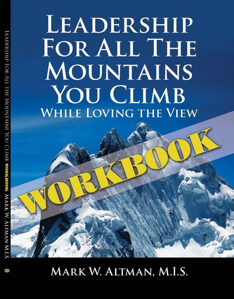
Tagline: Mark Altman is a speaker and leadership consultant with the Altman Leadership Center. He is the author of a new book, Leadership For All the Mountains You Climb; it may be purchased at Barnes and Noble, Amazon and other on-line retailers. Mark can be reached at mark@taolc.com.
My volume of mail went up considerably last week after my column on home schooling in Idaho and I suspect there will be similar debate over the topic of charter schools. I am a fan of home schooling and other educational alternatives, if and only if, they can be shown to be effective for each child they are applied to. If an alternative can be demonstrated to be effective for one family then that family should be allowed to continue whatever they are doing that is working. If a family wishes to do something outside the mainstream, then it should be incumbent upon that family to demonstrate effectiveness. However, failing to educate or failing to demonstrate progress, should not be an option.
Charter schools, across the US have received a mixed report card, much in the way home schooling, or public school, for that matter. My conversation with the principal of our own Charter School and the public school administration illustrates three reasons for this mixed report card.
Parent involvement- Ask virtually any teacher in any setting, and they will tell you that parental involvement and support is the most important indicator of educational success. A child from a functional, loving, nurturing home, where a safe, quiet place to do homework, high expectations and maybe even a little tutoring when needed, will always outperform the student that does not enjoy these advantages. This is the biggest challenge all school systems face. Our local charter school, IB, AP, and high-achieving home schools, enjoy a high percentage of students from highly functioning backgrounds. The less of these advantages available to a student the poorer student performance will be, and the more expensive education is to the taxpayer.
Appropriate goals- The goals of society, governmental agencies, the educational system, the parent and the student themselves, must all be in agreement before the most effective education can take place. What kind of education is to be delivered? Mainstreaming or tracking, college prep or vo-tech training, academic, athletic or social emphasis? Much of the challenge for all school systems stems from a lack of consensus on all these topics. Charter families have the same goals as the school system they are part of, or they change systems in very short order.
Right setting for the right student- Placing the child in an environment the student can thrive in can make a real difference. Large school or small, highly structured or more liaise faire, regular public school, charter, or home school. Charter school families make an active decision to go to charter in the first place, insuring some level of commitment to the system from day one; then if they realize the system isn’t for them, they can easily go back to the regular public school they came from. This is another reason charter schools can boast a performance advantage over a regular public school, but it is also why the charter model is not a panacea for the ills of education in the US.
Charter schools, magnet schools, public school and even home schooling can be very successful if these three challenges are taken into account and planned for. However, no matter which of these systems a family uses to educate their children, we all have a vested interest in ensuring children are receiving as good and as much education as they can. As a society, the way this goal is achieved is to track each child using the tools of curriculum review and yes, standardized testing.
Tagline: Mark Altman is a speaker and leadership consultant with the Altman Leadership Center. He is the author of a new book, Leadership For All the Mountains You Climb; it may be purchased at Barnes and Noble, Amazon and other on-line retailers. Mark can be reached at mark@taolc.com.
Friday, May 2, 2008
Home Schooling in Idaho
Democracy cannot succeed unless those who express their choice are prepared to choose wisely. The real safeguard of democracy, therefore, is education. - Franklin D. Roosevelt
With the debate over the proposed levy heating up, it has been suggested to me that home schooling and charter schools are viable options for teaching large numbers of children. Before engaging in the viability of alternative systems for educating children, it is important to review the primary reasons public schools were started in the first place. The first was the need for a semi-trained work force to serve the requirements of a rapidly industrializing nation, and the second was because most parents then, like today, lacked the capacity in time, temperament, discipline and education to do the job themselves. In addition, as FDR and many others have pointed out, for representative government to succeed over the long run, the first requirement is an educated electorate.
These reasons are why society will always have a compelling interest in the education of the children that will become its adults and why policy must address all children, not just some. No doubt there are a very small percentage of families that make homeschooling work. However, as you are reading this, no one can tell us how many children are being home-schooled in Idaho, nor can they tell you how effectively that job is being done. They can’t tell you because that data is not collected by anyone. No Idaho agency requires parents to inform them how they are homeschooling, and neither testing nor inspection is done to insure the instruction is taking place.
The state does not keep track of how many home-school students there are, what grade level they have progressed to, whether they fulfill graduation or GED requirements, or how many go on to college. They also do not mandate that parents submit a curriculum, or students sit for an ISAT or SAT test. Therefore, the test scores home school organizations tout are only of the brightest or at least of the ones lucky enough to live in a family where education is taken seriously enough that parents realize they need to make sure their student is on track, or ahead of, their public school peers. My guess is if you only tested the top 25% of public school kids, the home-schoolers would be trounced soundly for all the reasons I mentioned earlier. However, because home school kids are neither tracked nor tested, we don’t have any way of proving my contention one way or another.
Further complicating matters is the fact that it is virtually impossible for authorities to prove that education is not taking place in a home. Only in cases of divorce where one parent is complaining against another or in a case of suspected abuse where an investigation exposes a student not being educated, do authorities have the ability to act. In this regard, the law is wholly inadequate to protect children from the neglect of not being educated.
If you are looking for someone to blame for this mess, the list is short. First parents, for their arrogance in believing they can teach subjects that for most of them they barely learned when they were students, and time has eroded most of the rest of their knowledge. The next is our legislators for pandering to citizens who fall in the first category or who are borderline paranoid. While I realize you have a tough time being elected when you call the electorate uneducated or stupid; you don’t have to tie the hands of the very people that spend their professional lives passing the knowledge of one generation to the next. Surely, there is common ground we can find in insuring that children are receiving a full measure of the only earthly birthright they are all entitled to: as much education as they can soak up.
Tagline: Mark Altman is a speaker and leadership consultant with the Altman Leadership Center. He is the author of a new book, Leadership For All the Mountains You Climb; it may be purchased at Barnes and Noble, Amazon and other on-line retailers. Mark can be reached at mark@taolc.com.
With the debate over the proposed levy heating up, it has been suggested to me that home schooling and charter schools are viable options for teaching large numbers of children. Before engaging in the viability of alternative systems for educating children, it is important to review the primary reasons public schools were started in the first place. The first was the need for a semi-trained work force to serve the requirements of a rapidly industrializing nation, and the second was because most parents then, like today, lacked the capacity in time, temperament, discipline and education to do the job themselves. In addition, as FDR and many others have pointed out, for representative government to succeed over the long run, the first requirement is an educated electorate.
These reasons are why society will always have a compelling interest in the education of the children that will become its adults and why policy must address all children, not just some. No doubt there are a very small percentage of families that make homeschooling work. However, as you are reading this, no one can tell us how many children are being home-schooled in Idaho, nor can they tell you how effectively that job is being done. They can’t tell you because that data is not collected by anyone. No Idaho agency requires parents to inform them how they are homeschooling, and neither testing nor inspection is done to insure the instruction is taking place.
The state does not keep track of how many home-school students there are, what grade level they have progressed to, whether they fulfill graduation or GED requirements, or how many go on to college. They also do not mandate that parents submit a curriculum, or students sit for an ISAT or SAT test. Therefore, the test scores home school organizations tout are only of the brightest or at least of the ones lucky enough to live in a family where education is taken seriously enough that parents realize they need to make sure their student is on track, or ahead of, their public school peers. My guess is if you only tested the top 25% of public school kids, the home-schoolers would be trounced soundly for all the reasons I mentioned earlier. However, because home school kids are neither tracked nor tested, we don’t have any way of proving my contention one way or another.
Further complicating matters is the fact that it is virtually impossible for authorities to prove that education is not taking place in a home. Only in cases of divorce where one parent is complaining against another or in a case of suspected abuse where an investigation exposes a student not being educated, do authorities have the ability to act. In this regard, the law is wholly inadequate to protect children from the neglect of not being educated.
If you are looking for someone to blame for this mess, the list is short. First parents, for their arrogance in believing they can teach subjects that for most of them they barely learned when they were students, and time has eroded most of the rest of their knowledge. The next is our legislators for pandering to citizens who fall in the first category or who are borderline paranoid. While I realize you have a tough time being elected when you call the electorate uneducated or stupid; you don’t have to tie the hands of the very people that spend their professional lives passing the knowledge of one generation to the next. Surely, there is common ground we can find in insuring that children are receiving a full measure of the only earthly birthright they are all entitled to: as much education as they can soak up.
Tagline: Mark Altman is a speaker and leadership consultant with the Altman Leadership Center. He is the author of a new book, Leadership For All the Mountains You Climb; it may be purchased at Barnes and Noble, Amazon and other on-line retailers. Mark can be reached at mark@taolc.com.
Subscribe to:
Posts (Atom)



 Posts
Posts


